Tracing the Integration of Safety Tools Within Mobile Platforms for Real-Time Athletic Wagers and Table Games
Vera Bauer · Aug 20, 2026
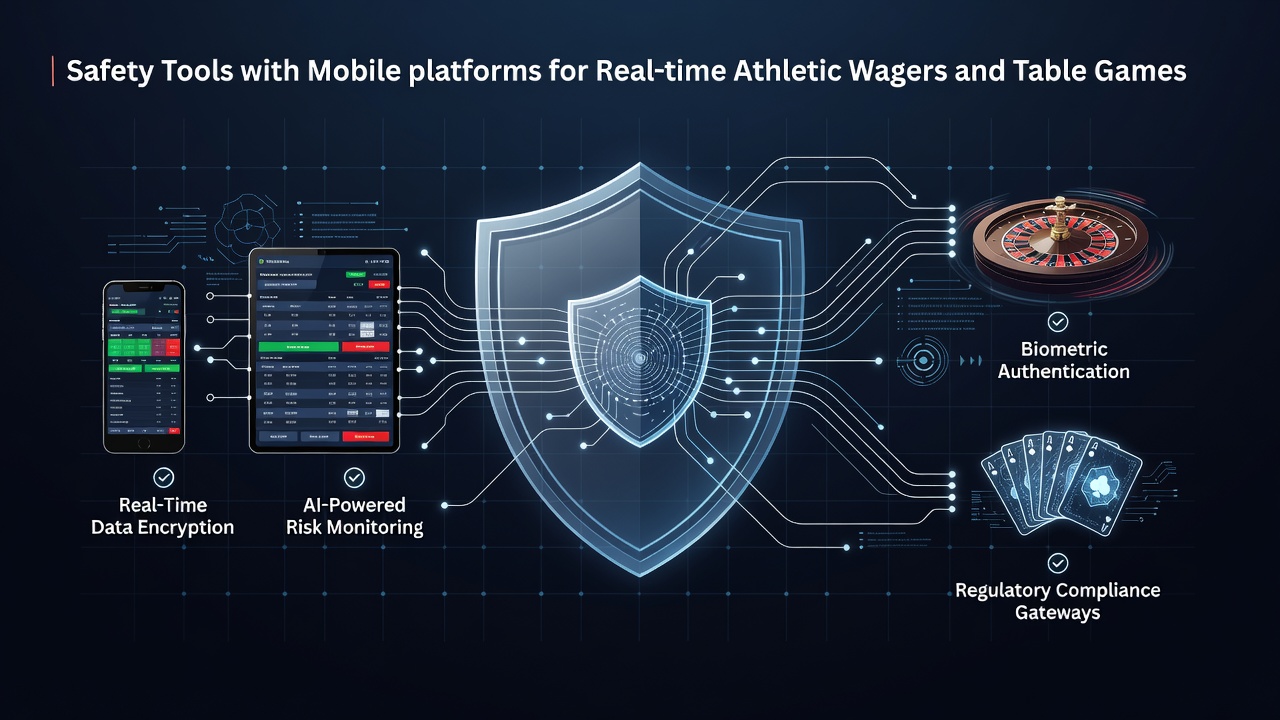
Tracing the Integration of Safety Tools Within Mobile Platforms for Real-Time Athletic Wagers and Table Games
Developers began embedding safety features into mobile betting applications during the mid-2010s as real-time athletic wagers and table games migrated from desktop sites to smartphones and tablets. Early implementations focused on basic age verification and location checks while platforms expanded live betting options for sports events alongside digital versions of blackjack and roulette. Data from industry reports indicate that adoption rates for these initial tools rose steadily between 2015 and 2018 as more jurisdictions authorized mobile gambling operations.
Early Frameworks and Regulatory Drivers
State agencies in the United States established foundational requirements that influenced how companies integrated verification systems into their apps. The New Jersey Division of Gaming Enforcement required operators to confirm user identity and geolocation before allowing real-time wagers which prompted the inclusion of GPS modules and document scanning functions. Similar rules appeared in other regions where authorities mandated session limits and self-exclusion lists that developers then built directly into mobile interfaces for table games and sports markets.
Researchers documented how these early tools operated in parallel with payment processing systems to flag suspicious transactions during live events. One study from the University of Nevada tracked the rollout across several operators and found that platforms reduced unauthorized access attempts by incorporating multi-factor authentication tied to device biometrics by 2019.
Expansion of Monitoring Technologies
Platforms introduced artificial intelligence components around 2020 to analyze betting patterns in real time across athletic wagers and casino-style table games. These systems reviewed wager frequency and stake sizes while cross-referencing user accounts against self-exclusion databases. Figures from the American Gaming Association show that operators using such monitoring reported fewer instances of problem gambling indicators in their mobile user bases compared to earlier periods without automated oversight.
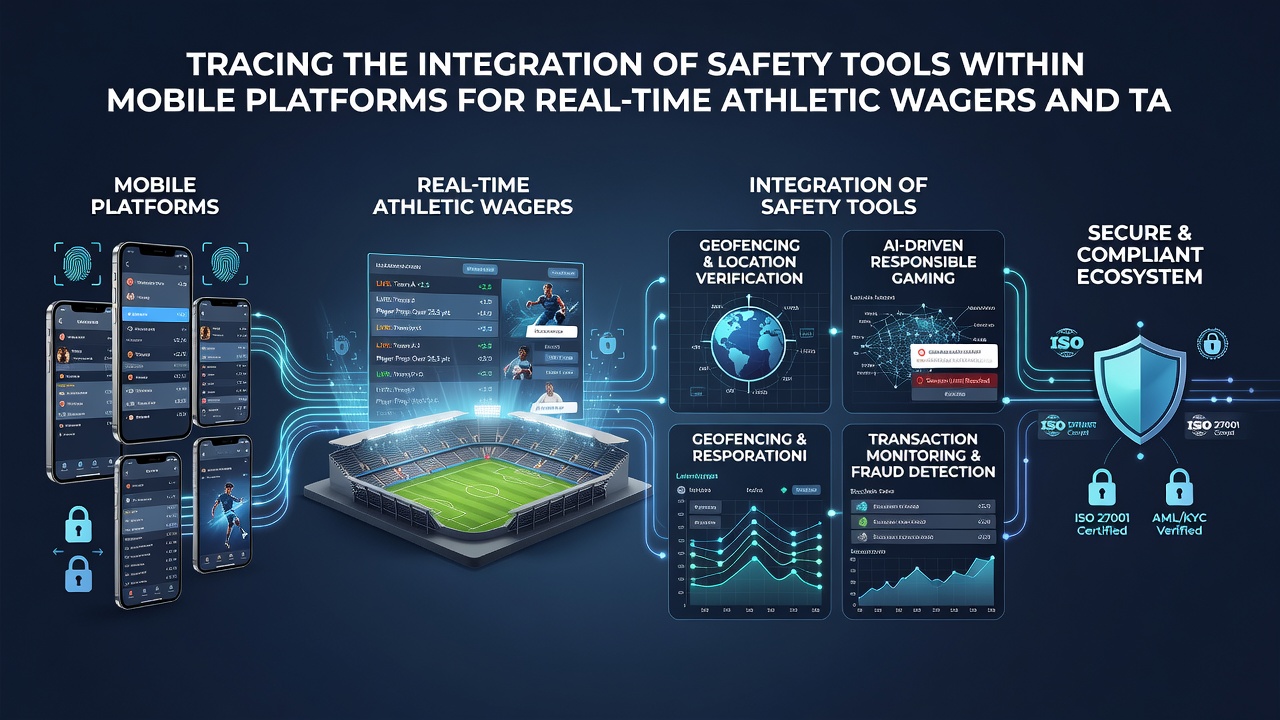
By August 2026 several major platforms had updated their mobile applications to include predictive algorithms that prompted users with cooling-off messages based on session duration data. These updates occurred alongside broader industry shifts toward unified standards across North American and European markets where regulators coordinated on data-sharing protocols for cross-border users. Developers achieved this by layering behavioral analytics over existing account management features without disrupting the speed required for live sports betting or quick rounds of digital card games.
Case Examples from Major Operators
One operator based in the United States integrated device-level controls that prevented simultaneous logins across multiple phones and required periodic re-verification during extended live betting sessions. Observers noted that this approach aligned with guidelines from the Nevada Gaming Control Board which emphasized continuous user authentication for high-volume table game play. Another platform serving Canadian markets added deposit caps that adjusted automatically according to historical activity levels and linked these controls to responsible gambling resources hosted by national support organizations.
Academic papers published in 2024 examined how such integrations affected user retention while maintaining compliance and found that apps with seamless safety layers retained higher percentages of active accounts over twelve-month periods. Those findings encouraged further refinements in notification timing so alerts appeared during natural pauses between wagers rather than mid-play.
Current Standards and Technical Evolution
Current mobile platforms combine encryption standards with real-time risk scoring engines that evaluate each transaction for signs of coercion or account compromise. These engines draw on data sets compiled from multiple regulatory bodies including those in Australia and several European Union member states where authorities publish aggregated statistics on mobile gambling incidents. Integration of these tools has allowed operators to respond within seconds to potential issues during athletic events or table game tournaments hosted in app environments.
Industry associations have tracked the decline in reported disputes related to unauthorized mobile wagers since the widespread deployment of biometric confirmation steps. The evolution continues as developers test new layers such as behavioral keystroke analysis and integration with external financial monitoring services to strengthen protections without adding latency to live betting interfaces.
Conclusion
The progression of safety tools within mobile platforms reflects ongoing collaboration between technology providers, operators, and regulatory entities across different jurisdictions. From initial verification requirements to advanced predictive systems active in August 2026 the integration process has centered on maintaining functionality for real-time athletic wagers and table games while addressing compliance demands. Data compiled by various government agencies and research institutions continue to guide refinements in these mobile environments.