When Players Pause: Insights into Break Initiation Across Mobile Wagering Categories
Vera Flores · Oct 29, 2026
When Players Pause: Insights into Break Initiation Across Mobile Wagering Categories
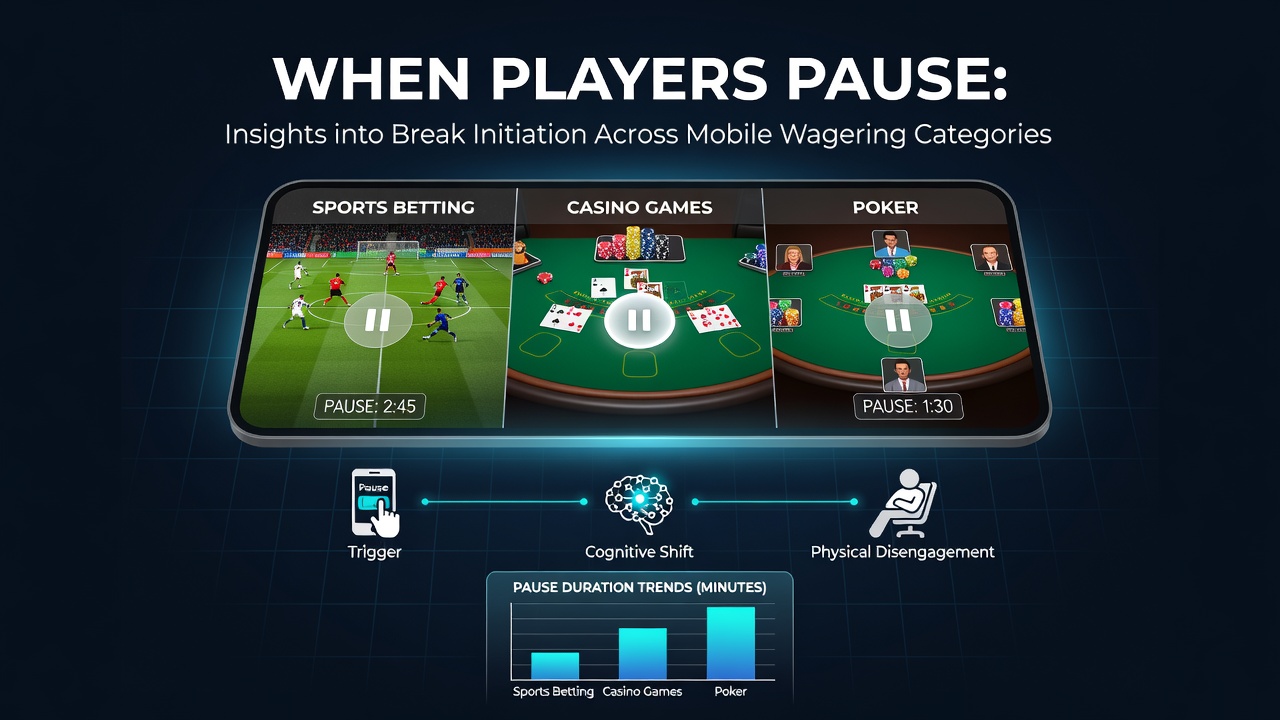
Break initiation in mobile wagering has drawn increasing attention from researchers and platform operators alike, as data continues to reveal patterns in how users step away from sessions across sports betting, casino games, and poker environments. Studies tracking user behavior indicate that these pauses often cluster around specific triggers such as session length, win-loss ratios, and time-of-day factors, with distinct differences emerging between categories.
Patterns of Pause Behavior in Mobile Settings
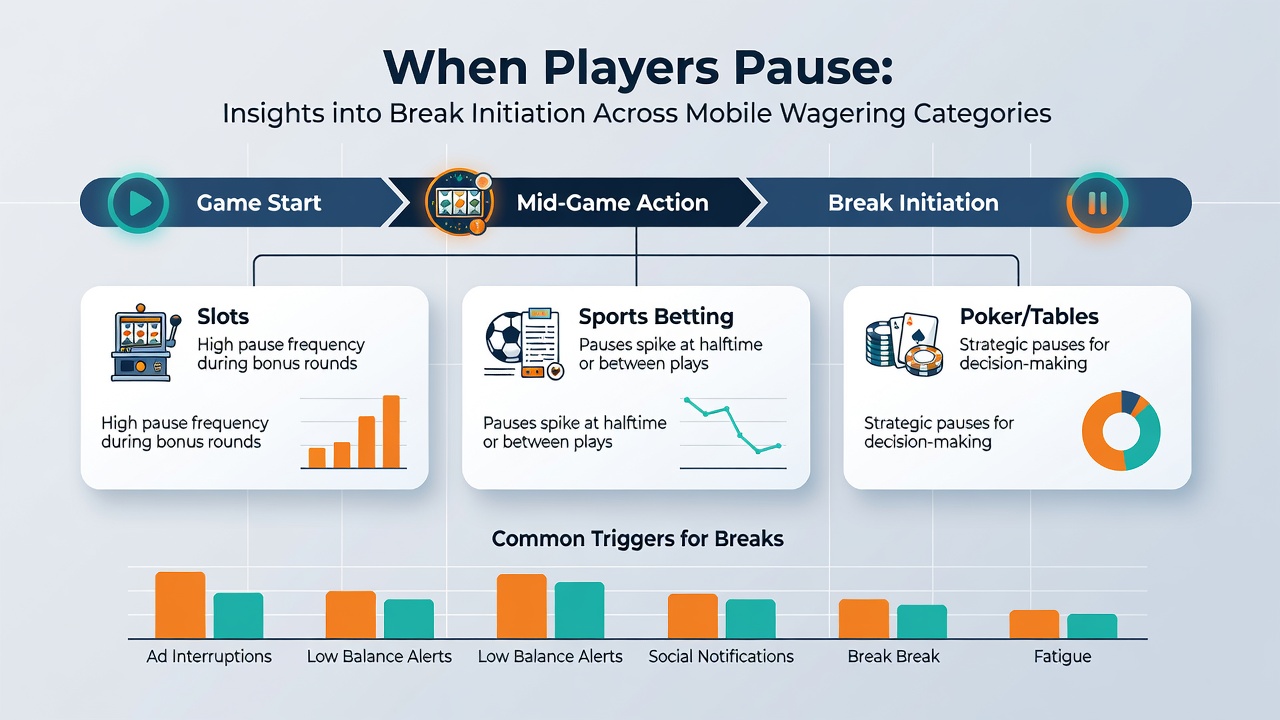
Mobile platforms record millions of daily interactions, and analysts have noted that break features see higher activation rates during evening hours when sessions tend to extend beyond sixty minutes. Research indicates that users in sports wagering categories frequently initiate breaks after live event conclusions or following a sequence of rapid in-play decisions, whereas those engaged in slot or table game play show more random pause points tied to cumulative stake amounts rather than external events. Observers note that these variations reflect the structural differences in each category, with sports betting relying on intermittent match updates and casino products delivering continuous reel or card cycles.
Category-Specific Triggers and Timing Data
Across sports betting interfaces, figures reveal that approximately forty-two percent of recorded breaks occur immediately after a match ends or during half-time intervals, according to aggregated platform analytics reviewed in late 2025. In contrast, casino category users tend to pause after hitting predetermined loss thresholds, with one multi-operator dataset showing spikes at the twenty-five and fifty euro loss markers. Poker environments present yet another profile, where break initiation aligns closely with tournament blind increases or cash-game table changes, as players often step away to reassess strategy rather than respond to financial signals alone.
Influences on Decision Points
Multiple variables shape when breaks begin, and researchers have isolated session duration as a consistent predictor across all categories. Data from a 2024 cross-platform study conducted by the University of Sydney shows that sessions exceeding ninety minutes carry a seventy-eight percent likelihood of at least one voluntary pause, with the probability rising further in live casino products. External notifications such as deposit reminders or reality-check pop-ups also correlate with increased break rates, though the effect size varies by age group and prior engagement history. Those who've examined these datasets point out that notifications timed between forty-five and sixty minutes produce the strongest response compared with earlier or later interventions.
Regional Observations and October 2026 Trends
By October 2026, platform operators in several jurisdictions had begun publishing quarterly summaries that include break-initiation metrics alongside standard revenue figures. Reports from Australian regulatory bodies highlight that users in the sports betting segment paused more frequently during international tournaments, while Canadian provincial data shows elevated pause rates in online poker during weekend evening peaks. These regional snapshots suggest that cultural scheduling and sporting calendars continue to influence when mobile users decide to step back, even as core mechanical triggers remain similar across borders.
Platform Design Responses to Observed Patterns
Operators have adjusted break-tool placement and visibility in response to the accumulating evidence. Some platforms now surface voluntary break options directly within the betting slip interface for sports users, while casino sections feature progressive timers that become more prominent after forty-five minutes of continuous play. Industry reports from the European Gaming and Betting Association indicate that simplified break menus, requiring fewer taps, correlate with higher completion rates for session pauses. And yet the same reports note that poker clients still favor customizable break durations, allowing players to set return reminders aligned with tournament structures rather than fixed time blocks.
Conclusion
Break initiation across mobile wagering categories continues to reflect both category mechanics and user context, with data showing clear divergences between sports, casino, and poker environments. As platforms refine their tools and additional regional datasets become available, the patterns identified through October 2026 offer a foundation for understanding how and when users choose to pause. Further analysis from academic and regulatory sources will likely refine these insights as mobile wagering ecosystems evolve.